
2025 nternational Conference on Digital Transformation and Management (DTM 2025) concluded successfully on December 27, 2025, at the Guangzhou Institute of Business & Technology (Sanshui Campus) in Foshan, Guangdong. The conference was hosted by Guangzhou Institute of Business & Technology, organized by the School of Accounting of Guangzhou Institute of Business & Technology and AEIC Academic Exchange Center, and received strong support from multiple universities including South China University of Technology, Jinan University, Guangdong University of Foreign Studies, and Guangdong Polytechnic Normal University. With the theme of "Digital Intelligence Integration · Innovating the Future", the conference brought together top experts and industry leaders in the fields of digital transformation and financial management from around the world, creating a high-end academic exchange platform that transcends disciplines and fields.
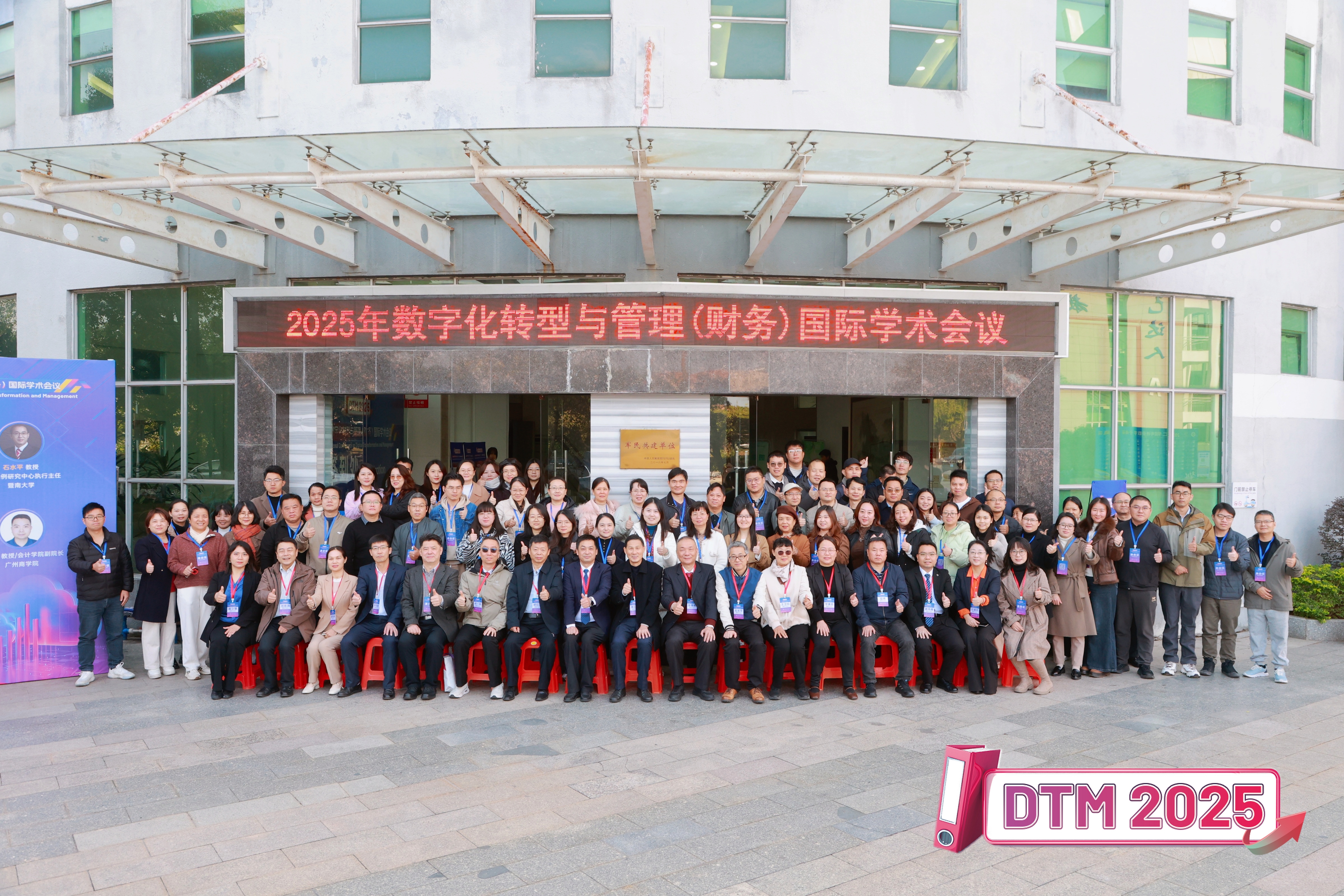
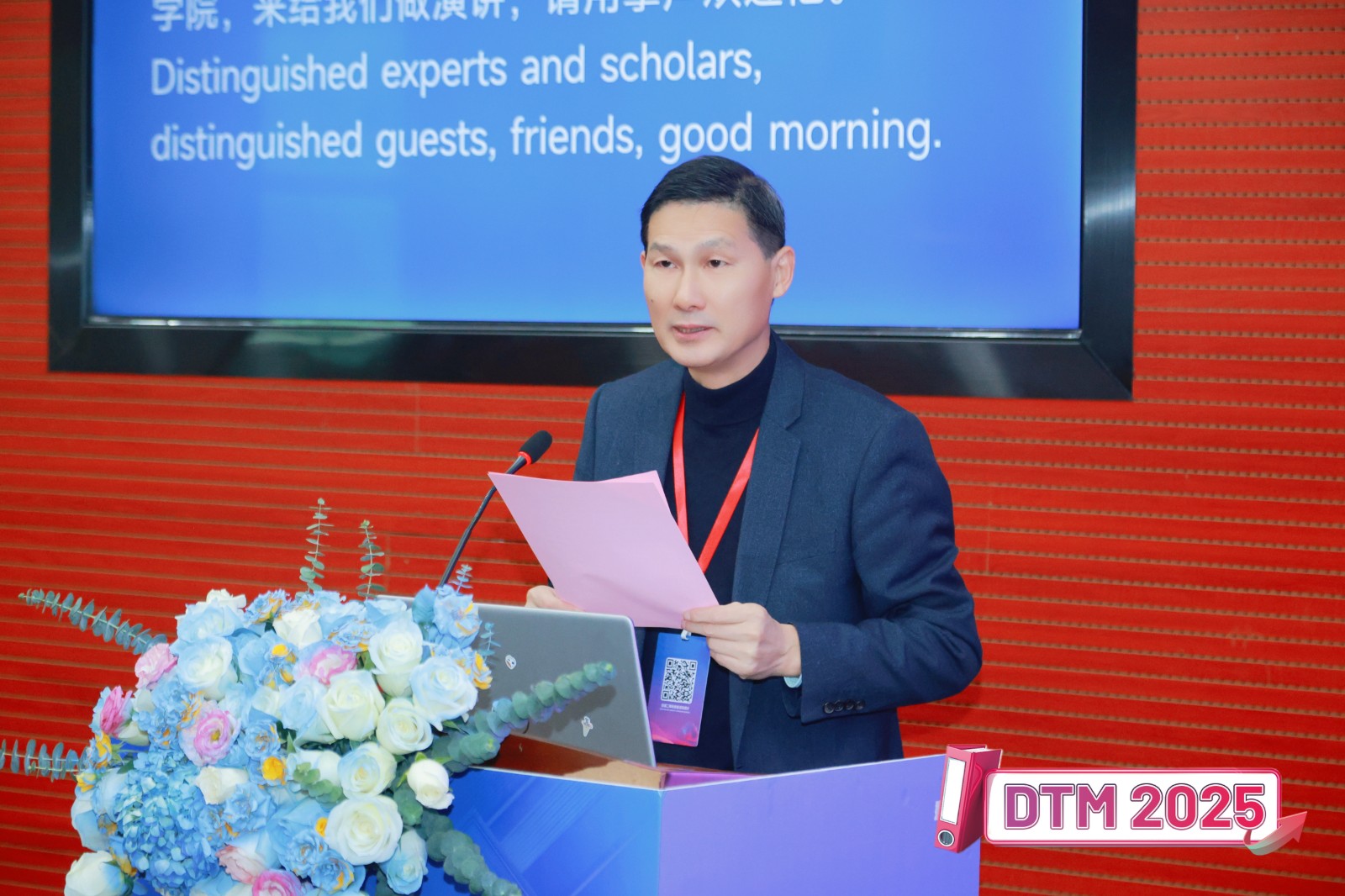
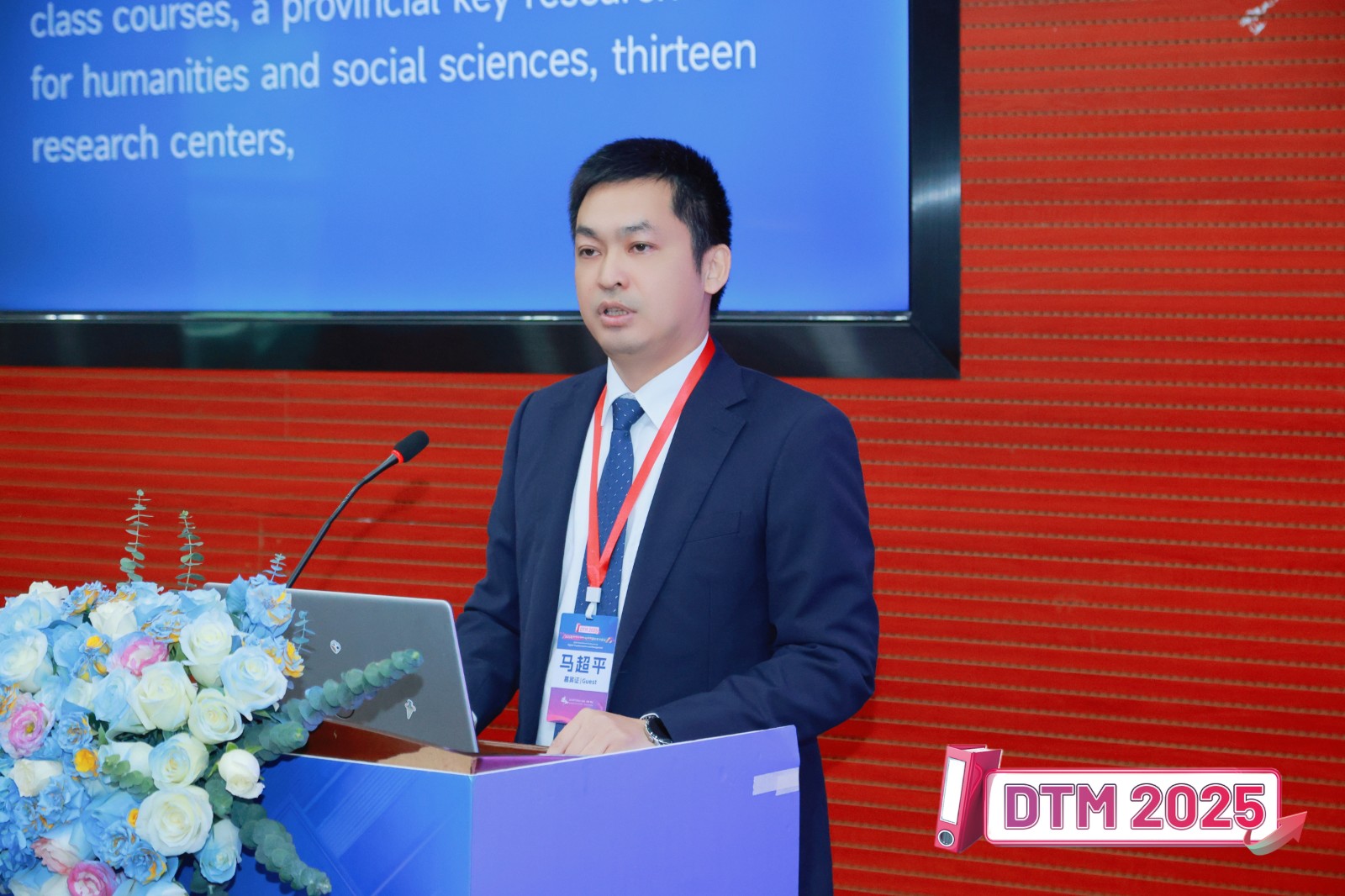
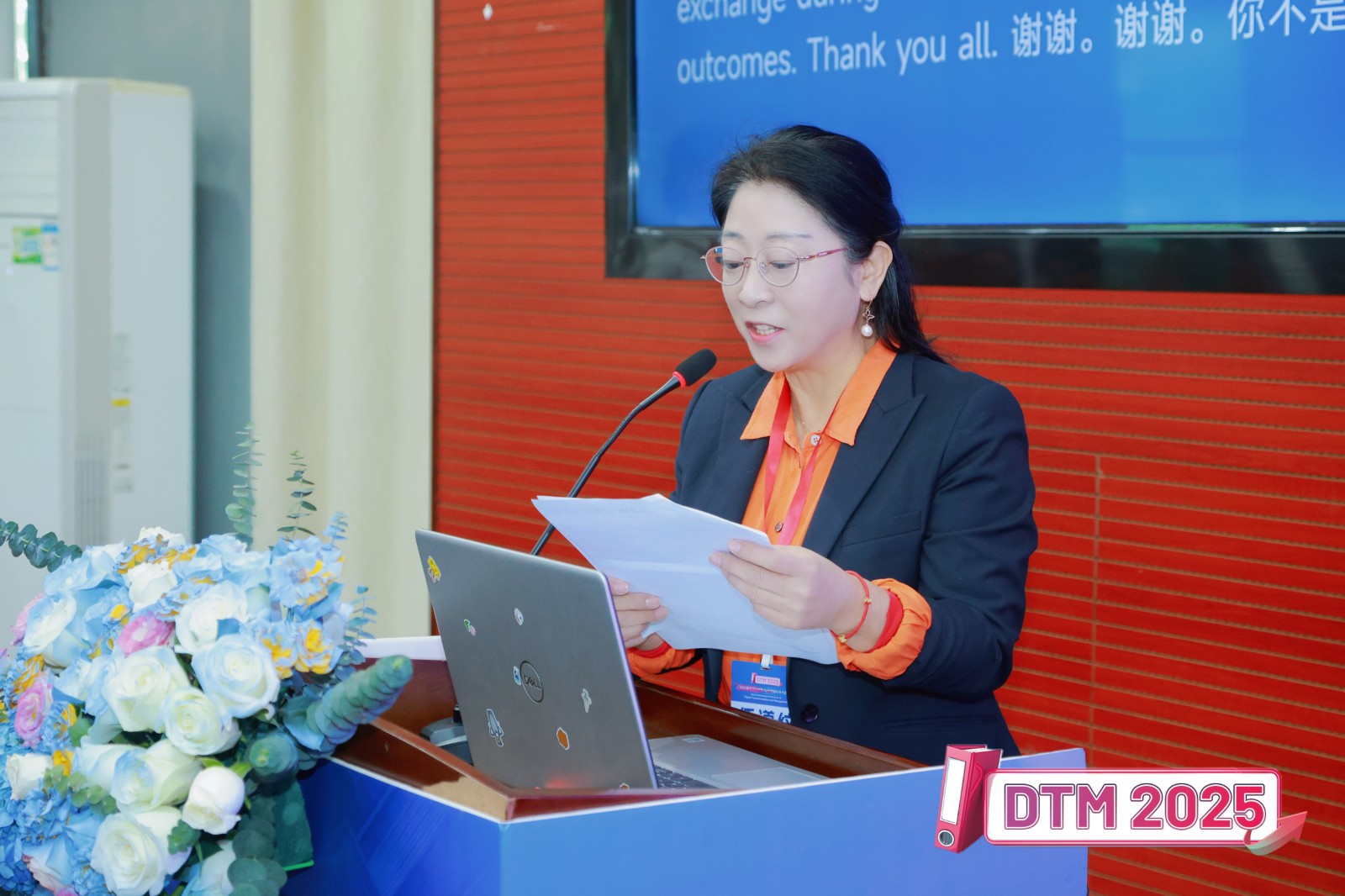
During the conference, academic feasts were splendid and diverse. The opening ceremony and keynote report session were presided over by Professor Ren Daowen, the dean of the School of Accounting at Guangzhou Institute of Business and Technology. Professor Qi Xiaoping, the vice president of Guangzhou Institute of Business and Technology, and Professor Ma Chaoping, the assistant to the president, delivered speeches successively, elaborating profoundly on the core strategic significance of digital transformation in the context of the accelerated development of the global digital economy. They extended a warm welcome to the attending guests and expressed their best wishes for the conference to achieve fruitful results.
The keynote session was a gathering of experts, with ideas colliding and sparking. Professor Zhang Zhengang from South China University of Technology delivered a speech titled "Three Major Transformations in Research Paradigms Led by Artificial Intelligence", delving deeply into the disruptive impact of artificial intelligence on the research field. Researcher Zheng Hongjun, the president of the Guangdong Society of Consumer Economics, focused on "Exploring Consumption Hotspots in Guangdong Province in 2025 and Constructing a New Consumption Pattern", providing new ideas for regional economic development. Professor He Yiming from South China University of Technology shared the empirical research results on the trust mechanism of online P2P platforms, offering theoretical support for the standardized development of the platform economy. Professor Shi Shuiping from Jinan University discussed "The New COSO Framework: Integrating Enterprise Risk Management with Performance and Strategy" and explored the risk control paths in the digital transformation of enterprises. Many cutting-edge viewpoints resonated throughout the venue.
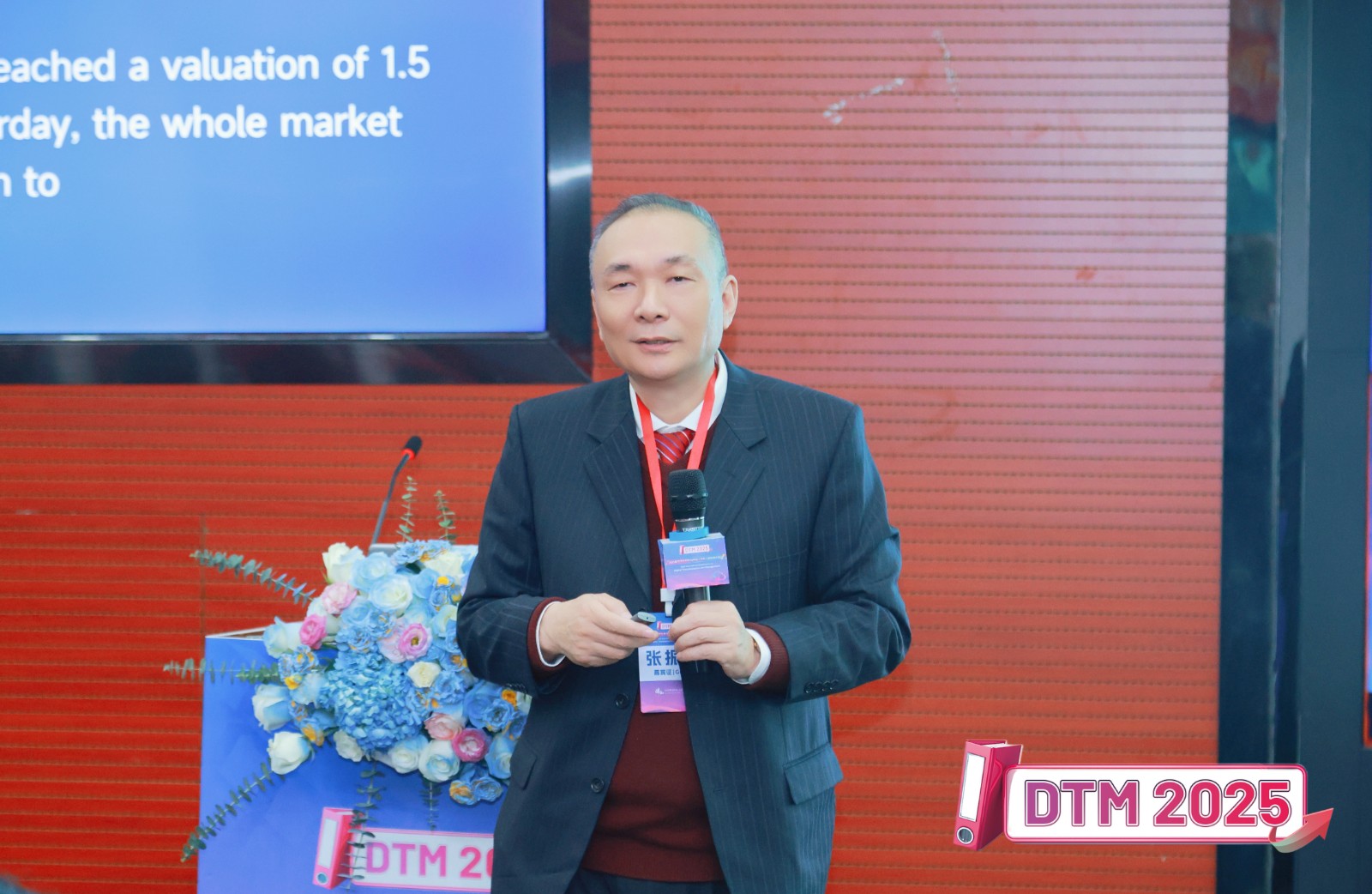
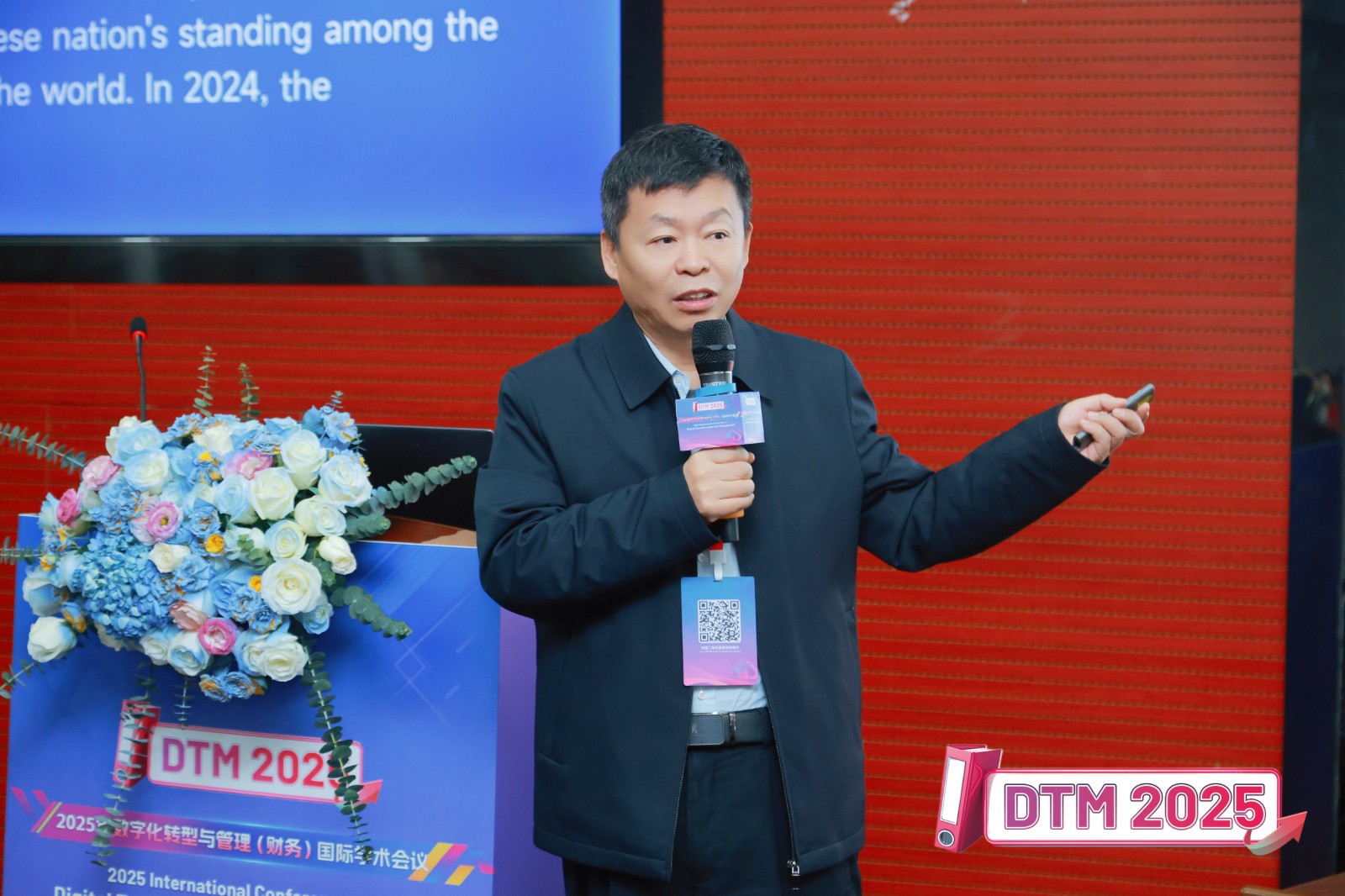
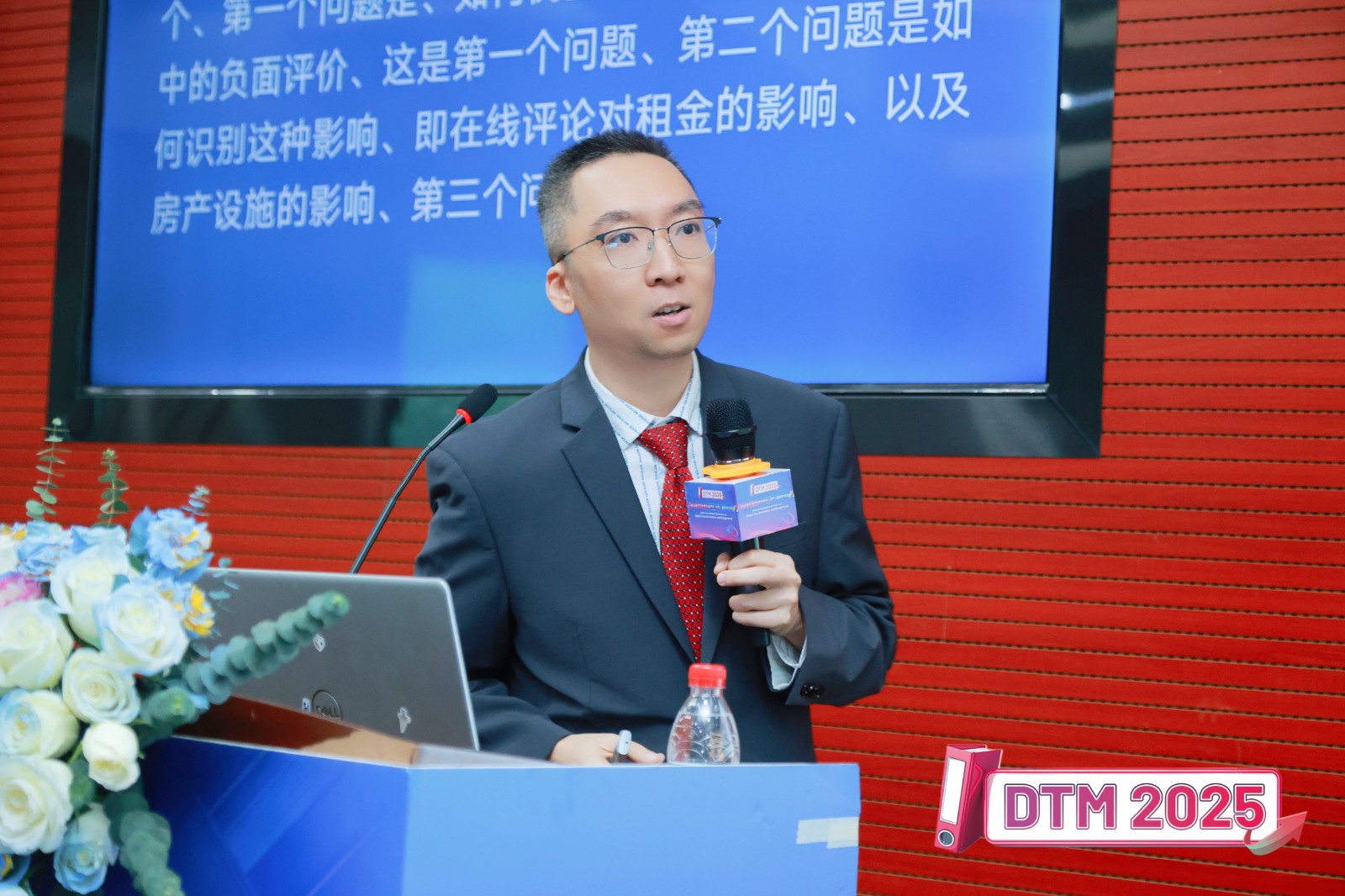
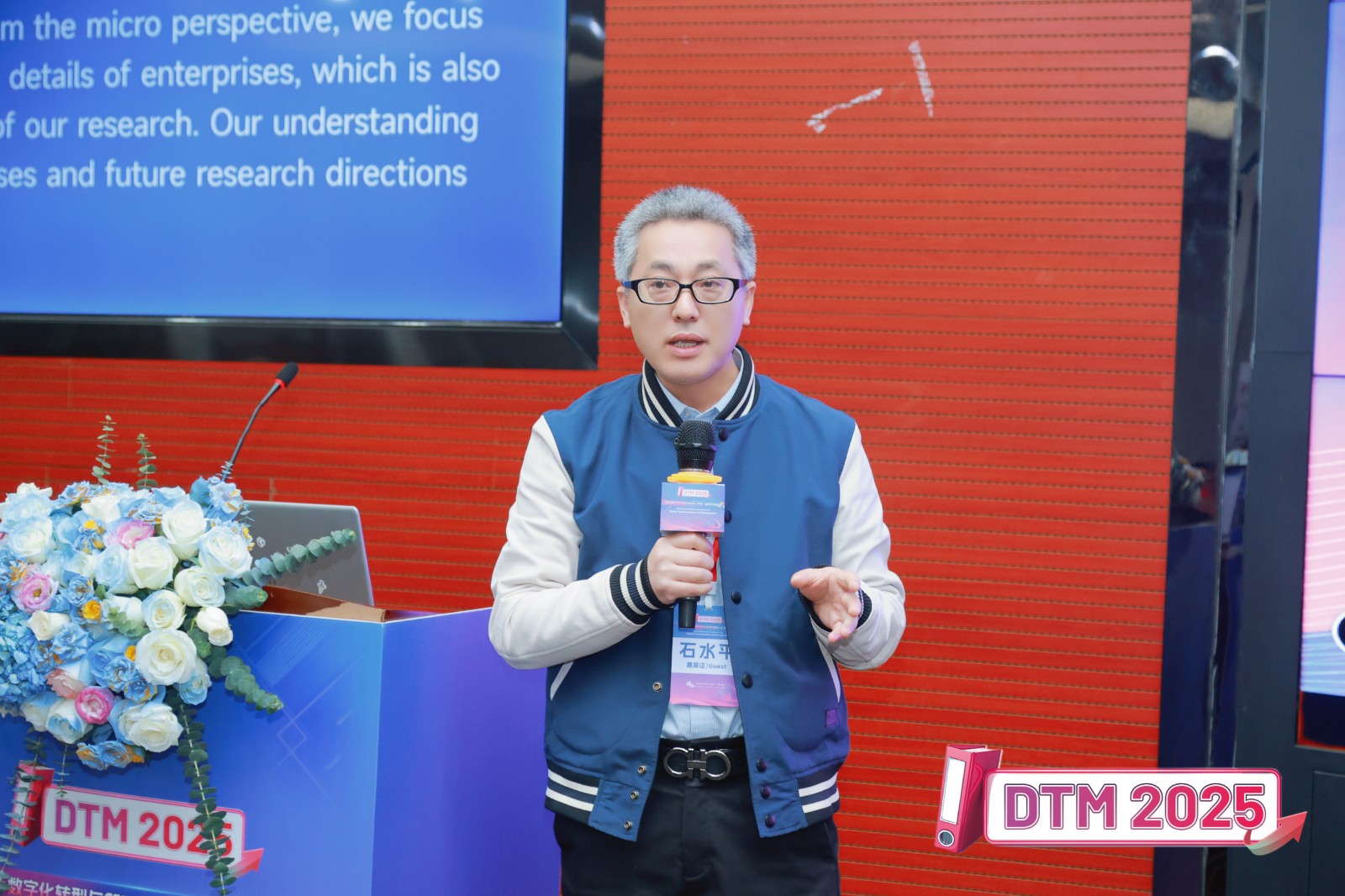
The invited reports and oral presentations were also full of highlights, respectively hosted by Gao Shaohui, the vice dean of the School of Accounting, and Lu Tan. Experts and scholars from Guangdong University of Foreign Studies, Guangdong Polytechnic Normal University, Guangzhou Institute of Business & Technology, Guangzhou Institute of Technology, Guangdong University of Cloud Computing, South China Business College of Guangdong University of Foreign Studies, and Guangzhou Business College discussed in depth key issues such as the innovation of management teaching methods in the era of digital transformation, ESG information disclosure empowering high-quality enterprise development, accounting transformation and audit innovation, strategic management in the digital age, the value realization path of enterprises participating in wetland carbon trading empowered by the digital economy, professional construction innovation in the digital age, performance evaluation of enterprise digital transformation, and the tax system dilemma and Chinese path exploration of the data value chain.

Representatives of teachers and students from universities such as Guangxi University, Southwest Jiaotong University, and Guangzhou Business College shared their latest research findings on carbon information disclosure and corporate foreign investment, digital transformation and ESG ratings, and the application of blockchain in accounting systems through on-site or online oral reports, demonstrating the academic vitality and innovative thinking of young scholars. In addition, the conference also set up a poster presentation session, where researchers from universities such as the University of Pennsylvania and Macau Polytechnic University presented their research results on public sector digital adaptation and the evaluation of innovation efficiency in pharmaceutical manufacturing enterprises through visual forms, providing a diversified academic exchange channel for participants.

The successful holding of this conference not only built an efficient academic exchange bridge for experts and scholars in related fields at home and abroad, but also demonstrated the academic influence and organizational ability of Guangzhou Business College in the fields of digital transformation and financial management. In the future, the conference organizers will continue to promote the transformation and application of academic achievements, deepen cross-regional and cross-disciplinary cooperation, provide more powerful theoretical support and practical guidance for the digital transformation of enterprises, governments and social organizations, and contribute wisdom and strength to the high-quality development of the digital economy.